Delete

What’s the difference between visiting a country and living in it for four days? The difference is that the visitor experiences the market from the outside, while someone who lives there enters and asks about the price of za'atar, and discovers that the seller will offer him a cup of tea before selling him anything! This program is not just a list of landmarks to check off — but rather an honest attempt to answer a simple question: How do Syrians wake up? What do they eat for breakfast? Where do they sit after lunch? And why do they insist on eating one more time when they are already full!

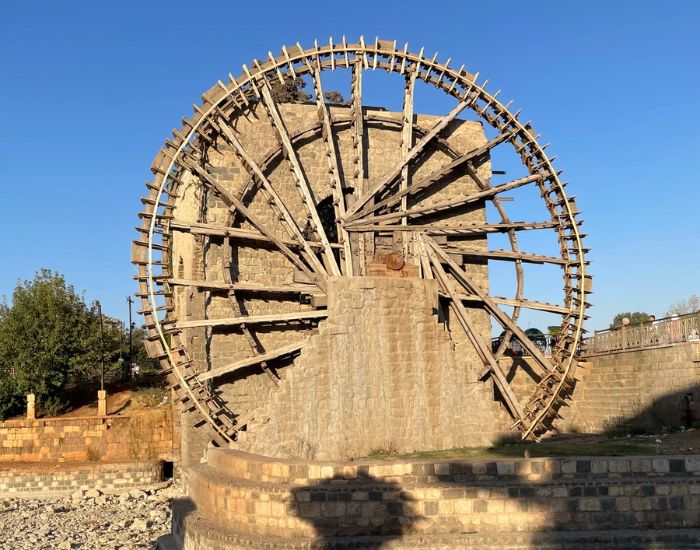
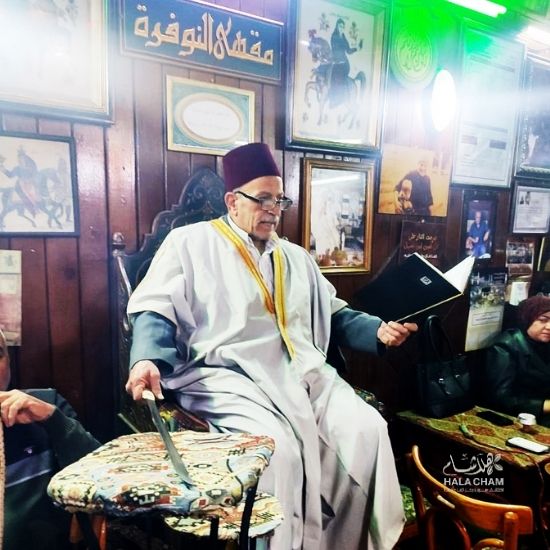
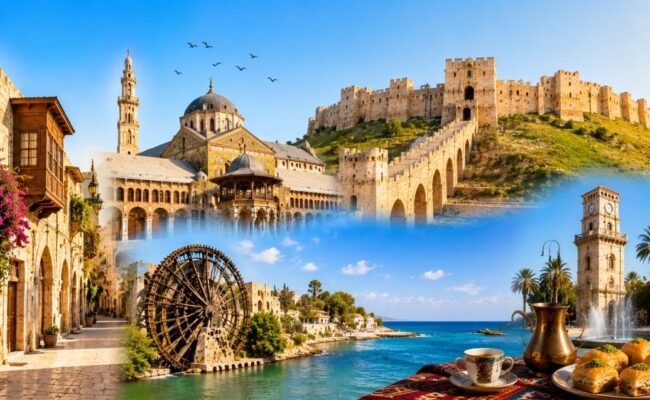
Four days starting from the furnace of Damascus at dawn, and continuing to a copper workshop still operated by hand, and a long table of popular fatayer in the square, and an old café where stories are told just as they were a hundred years ago. Then you exit the city to a mountain village in the countryside of Damascus where the maamoul is made on the surfaces, and you end up on the banks of the Orontes River in Hama where the wooden water wheels turn with a sound unlike any other in the world. Syria as experienced by its people The program doesn’t promise you to see a lot… but to understand more, to laugh more, and to return with friendships not just pictures.

Accommodation

Guest House – Heritage Hotel

Meals

Iftar Lunch

Transportation

Private Vehicle

Group Size

6 – 15

Languages

Arabic, English

Animals

Not Allowed

Age Range

10 – 75 (years)

Season

All Seasons

Category

Culture, Food, Daily Life

Discover places and activities (click for more)

image
City of Damascus
(Three Days)
image
City of Hama
(One Day)

Highlights of the tour

Trip Program

Expand All +
  • icon
    Damascus ( Departure: 8:00 AM )

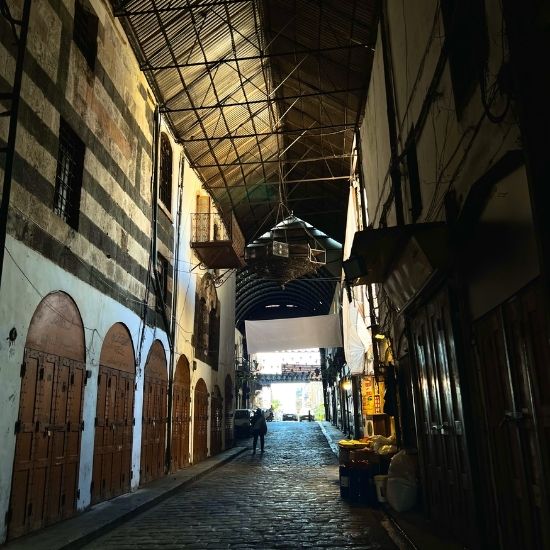
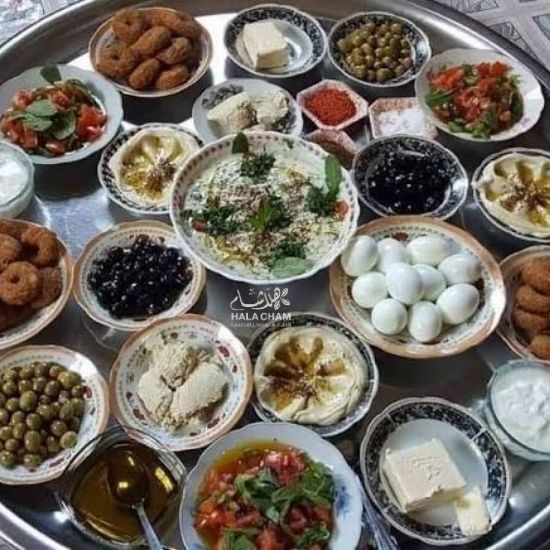
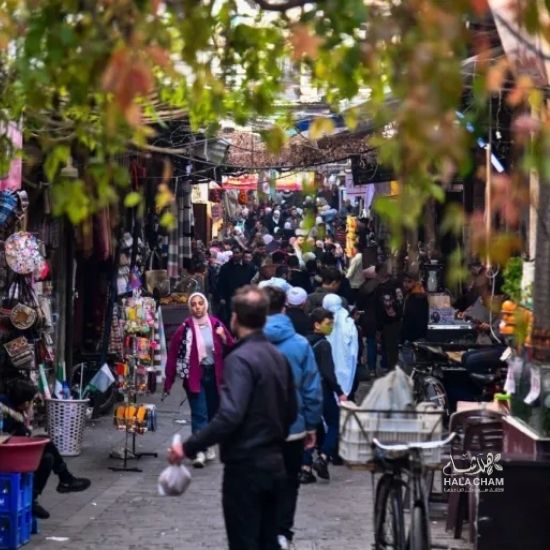
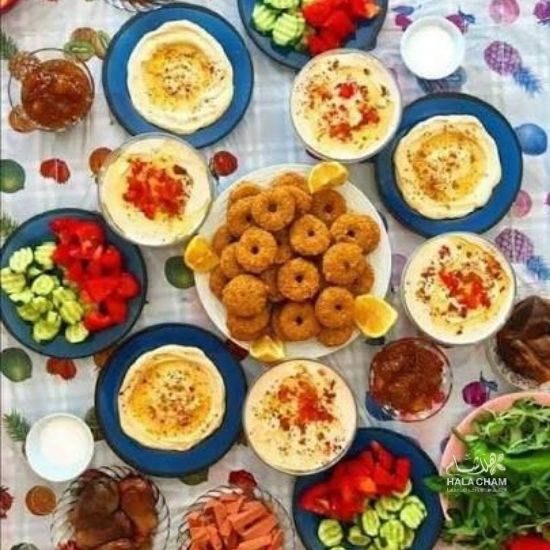
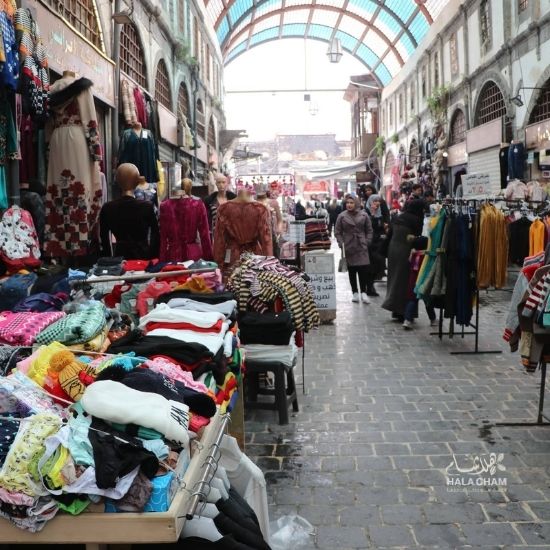
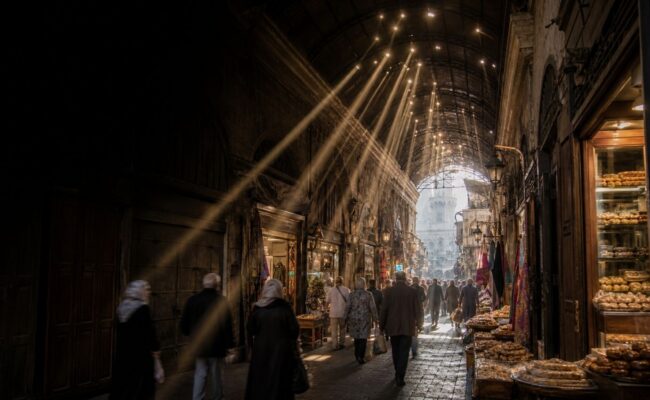
    Have you ever experienced starting your day from a bakery rather than a hotel buffet? Day one begins early amidst the hustle and bustle of the Damascene neighborhoods: a local breakfast in the square, a stroll through the spice market between sacks of za'atar and sumac, and the fragrant dried roses, then the alleys of the old city and artisan workshops. And in the evening… an old café, traditional music, and tea that never ends.

    • icon
      Transportation:
      A special welcome from the arrival point, a comfortable car, and transfers within Damascus.
    • icon
      Activities:
      A local breakfast in the heart of the square, a stroll through the spice market and the old city, visiting artisan workshops, and last night in a traditional café with traditional music.
    • icon
      Meals:
      A local Damascene breakfast, lunch at a stone restaurant.
    • icon
      Accommodation:
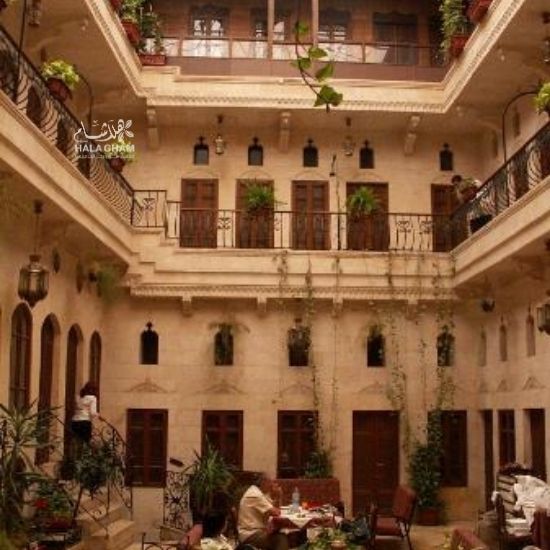
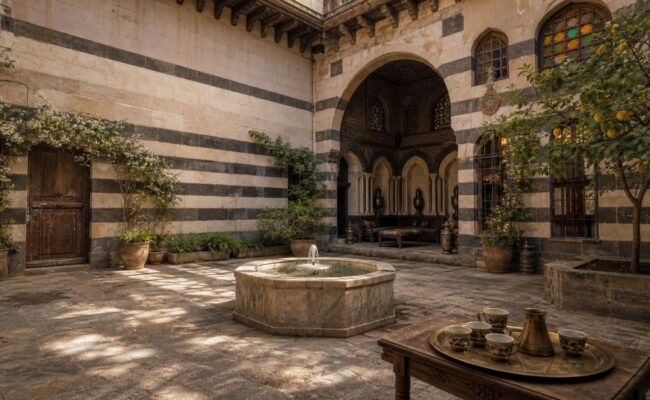
      A Damascene guesthouse nestled within the old city.
      Hotel offer

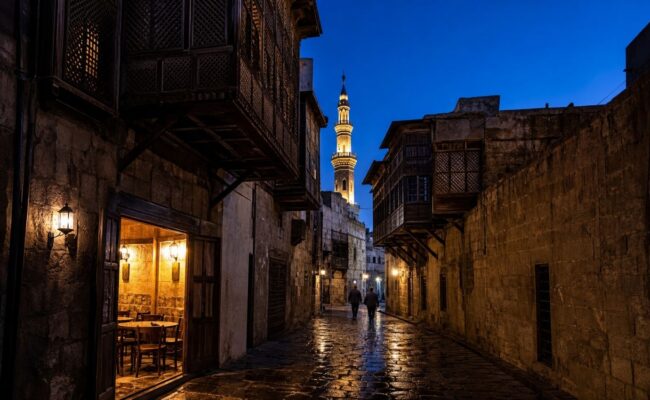
    Today you will understand that Damascus is not just one city, but a collection of dozens of small cities! From Bab Tuma to Al-Qaimariya to Sarouja, the dialect, scenery, and cafes change every few hundred meters. It's a relatively long walk, but divided wisely: we walk a little, sit a little, eat a little... then we repeat the cycle!

    • icon
      Transportation:
      Short car rides between neighborhoods, and walking tours inside the old neighborhoods.
    • icon
      Activities:
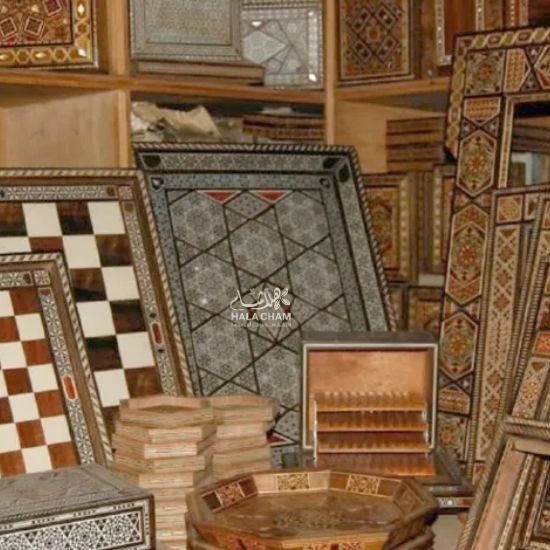
      A walking tour between Bab Tuma, Al-Qaimariya, and Sarouja, a soap-making workshop or a copper workshop, a tasting experience of sweets and Damascene ice cream, and free time for shopping.
    • icon
      Meals:
      Breakfast at the guesthouse, homemade lunch at a Damascene house.
    • icon
      Accommodation:
      A second night at the Damascene guesthouse.
      Hotel offer

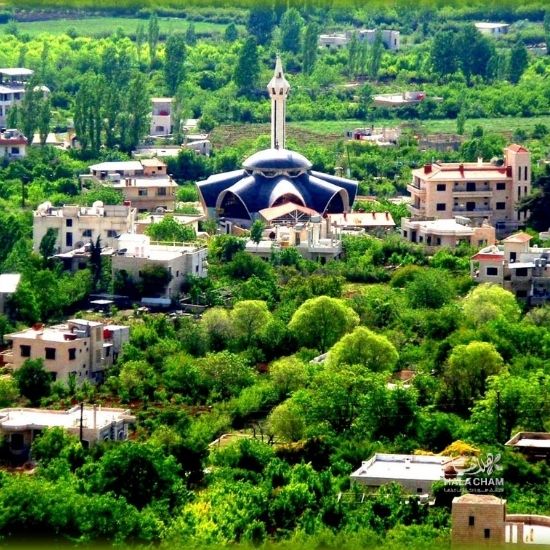
    We leave the city in the morning towards the western mountains: Wadi Barada, Al-Zabadani, and Bludan. Here the scenery completely changes — stone houses, lush valleys filled with greenery, and women drying apricots and mulberries under the sun, while men serve you coffee before you even ask them for directions. After lunch, we head north on the Homs road, and we spend the evening on the banks of the Orontes River in Hama.

    • icon
      Transportation:
      A private car from Damascus to Rif Damascus, then north to Hama, with stops for photography and relaxation.
    • icon
      Activities:
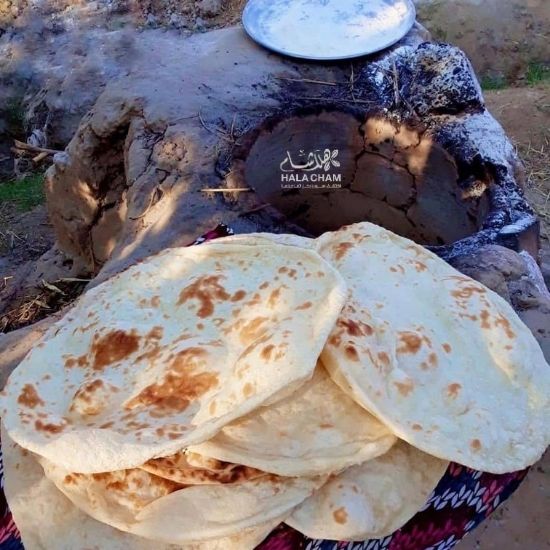
      A tour in the villages of Al-Zabadani and Bludan, an experience of making traditional sweets and oven-baked bread, enjoying mountain coffee, and arriving in Hama for an evening tour on the Orontes.
    • icon
      Meals:
      Breakfast at the guesthouse, lunch in a family home in the countryside.
    • icon
      Accommodation:
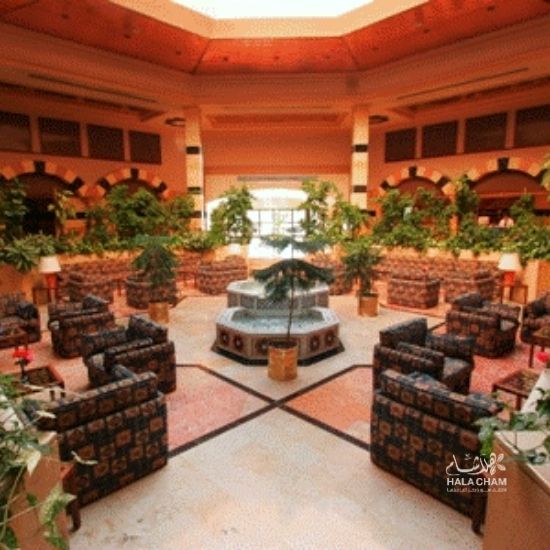
      A hotel in Hama near the waterfalls and the Orontes.
      Hotel offer
  • icon
    Hama ( Departure: 8:00 AM )

    The last day, and the best day. We start with a hearty breakfast (yes, it will be plentiful!) followed by a tour of the orchards and the ancient Hama market and the Azem Palace, passing by the riverside cafes where the locals gather every morning for centuries. Then we head south with a short stop in Homs, to reach the departure point in the evening — and in the bag, za'atar, soap, and a souvenir, with a promise to return.

    • icon
      Transportation:
      Private car from Hama to Damascus or the departure point, with a stop in Homs.
    • icon
      Activities:
      Tour of the orchards and the ancient Hama market, traditional hearty breakfast, short stop in Homs, final shopping.
    • icon
      Meals:
      Traditional hearty breakfast, light lunch on the road.
    • icon
      Accommodation:
      Not included (departure day) — possibility to extend an additional night upon request
      Hotel offer

Tour route

General information

Includes

Not included

Additional Information

Frequently Asked Questions

Absolutely authentic. We work with local families by prior arrangement, and the meal is cooked in their home. The number of participants is limited to keep the visit family-oriented, not touristy.

The first two days focus on exploring the old neighborhoods, but are divided into short segments with frequent breaks. The third and fourth days are much lighter and rely on driving.

Social primarily. The history is, of course, present, but the focus is on daily life: markets, crafts, food, cafes, and traditions. Those looking for a more historical program can choose a different route or combine the two.

Spring and autumn are the best, especially the season of mulberries in late summer (July – August) when the villages are at their peak activity. Winter offers Damascus warm and unique cafe atmospheres.

Yes, it can be organized as a private tour for a family or a group of friends, with adjustments to the routes, meals, and experiences based on the group's interests.

Customer Review & Rating

Good
  • ☆
  • ☆
  • ☆
  • ☆
  • ☆

0 based on 0 reviews

In General 0.0
Transportation 0.0
Food 0.0
Guest 0.0
Homepage 0.0
  • No reviews yet. Be the first to write one!
Starting From
1.350 USD /per person
  • Guarantee of refund
  • Your safety is our top priority.
A unique safe journey with support on the hour

You have been allocated

Your experience!

60+ Our travel guide is waiting for you